Meta blocks Satish Acharya's Instagram as India issues 195,000 content orders
Nearly 195,000 government orders sent to platforms between March and July, according to a right-to-information request.
By Tyler Anderson ·
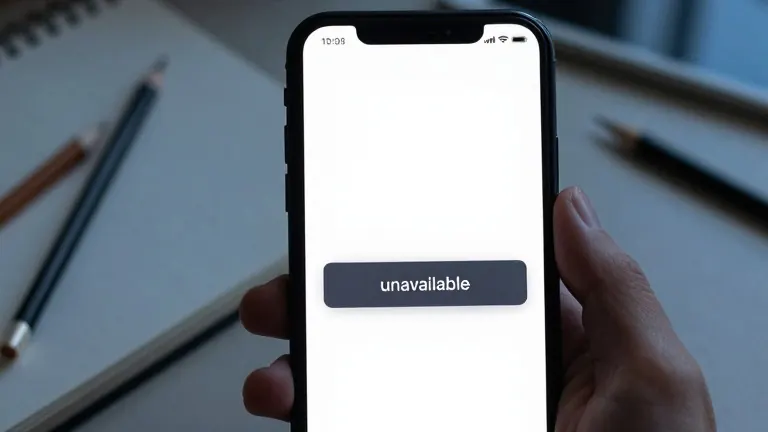
Meta blocked the Instagram profile of Indian cartoonist Satish Acharya for the second time in three weeks on Tuesday. The 55-year-old creator found his account inaccessible to users in India, with the platform providing no specific explanation for the restriction. A message displayed to viewers stated the profile was unavailable under India's Information Technology Rules.
Data obtained through a right-to-information request reveals the scale of these interventions. Government agencies sent nearly 195,000 blocking and content-restriction orders to platforms including Instagram, Facebook, and YouTube between March and July. These orders were processed through the federal government's Sahyog portal. The figures do not indicate how many posts were ultimately removed or restricted.
Acharya's account was previously restricted from September 28 to October 6. During that period, Indian users could not find his profile through search or via web links. He contacted Meta about the issue but received no reply. He was preparing to file a lawsuit when his account became accessible again in early October. The block returned earlier this week and lasted for three days.
The restrictions follow a similar incident involving another cartoonist, Manjul. Instagram restricted a post by Manjul that criticized India's election commission over its revision of voter rolls. His profile remained accessible, but the specific post was limited. Both artists say they often receive little explanation for why their work is blocked.
Meta told the BBC that it may temporarily restrict accounts to comply with India's IT Rules. The company did not explain the specific reasons for restricting Acharya's account or Manjul's post. Technology policy expert Prateek Waghre noted that Meta appears more willing to comply with these orders than competitor X. He added that limited public data makes direct comparisons difficult.
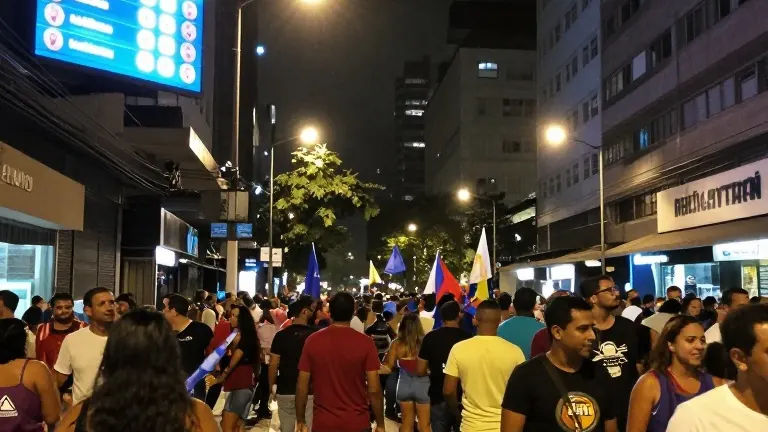
The timing coincides with a surge in political dissent online. Memes and social media humor helped fuel protests in July over education and jobs. These demonstrations led to the resignation of India's education minister. Online debate also intensified after a controversial revision of voter rolls removed 130 million names.
Authorities have asked Meta to ensure its recommendation systems do not steer users toward a single set of narratives. They also requested stronger checks on content that could cause public disorder or incite violence. India's IT ministry has not responded to requests for comment regarding these instructions or the recent account blocks.
Cartoonists argue that social media allows them to reach audiences without relying on traditional newsrooms. Manjul, who is not associated with mainstream media, said this independence allows them to draw freely. However, this model creates a dependency on platforms that control access to their audiences.
Source: BBC News