
Healey to present first UK budget under Burnham with focus on defence and tax
The Chancellor plans to close a 4.7 billion pound defence gap and introduce new levies on banks and online retailers.
By Elena Vargas ·
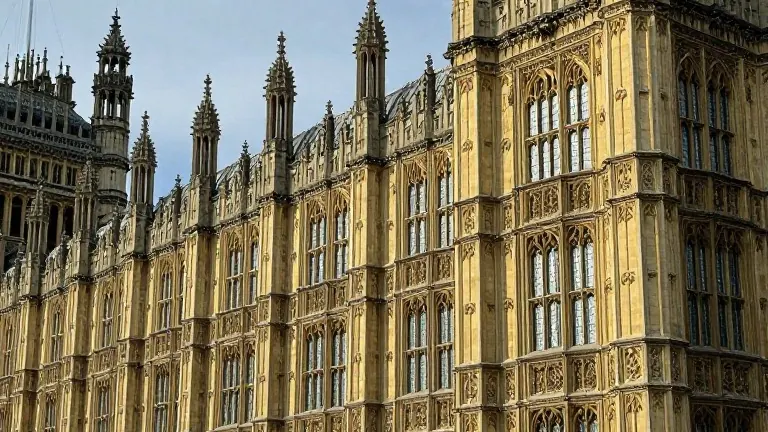
The United Kingdom enters a period of fiscal adjustment as its new government prepares to set tax and spending priorities. Chancellor John Healey will deliver the first budget of the Andy Burnham administration to parliament on Wednesday at 12.30 GMT. The presentation comes at a time when the national debt has reached historic levels and consumer prices remain elevated.
The financial position of the state is defined by heavy borrowing and rising costs. Total UK borrowing passed the 3 trillion pound mark in September. The government now spends 100 billion pounds annually on debt servicing alone. Inflation and borrowing both hit one-year highs last week. The Office for National Statistics reported borrowing of nearly 25 billion pounds last month. This figure exceeded the previous year, driven by higher spending on debt interest and inflationary pressures.
Healey aims to fund the government's military expansion through specific tax measures and departmental cuts. Prime Minister Burnham stated that the government must finance its existing defence investment plan. That plan, announced in June, involves 298 billion pounds in investment to reach warfighting readiness. The current defence spending level is 2.6 percent of GDP. The government targets 3 percent by 2030 and 3.5 percent by 2035. The Guardian reported that Healey intends to close a 4.7 billion pound funding gap by reducing budgets in other departments.
The budget will introduce new taxes on financial institutions and digital commerce. The four largest banks reported profits of 15 billion pounds in the first half of the year. The Treasury is moving to adjust the 2023 bank surcharge, a move expected to raise 2 billion pounds. Healey also plans to target foreign sellers on platforms like Amazon, Temu, and eBay who avoid paying VAT. This measure could generate up to 1 billion pounds. The revenue would help fund business rate cuts for high street shops.
Social care and household energy costs are central to the spending plans. Healey expects to allocate 1.42 trillion pounds for day-to-day spending and public investment this year. A new personal allowance will shield pensioners from income tax. The government will add 1 billion pounds to the 39 billion pound housing plan for England. Burnham previously announced a national care service to provide free personal care for the elderly. This service will be funded partly by scrapping the state pension triple lock.
Energy bills are set to rise sharply in January due to global market conditions. Brent crude futures stood at $115.90 a barrel on Wednesday. The closure of the Strait of Hormuz following the conflict with Iran has driven up global prices. Cornwall Insight projects the UK household energy cap will increase by 16 percent. The average annual bill will reach nearly 2,000 pounds. Healey is expected to announce measures to help households, including the removal of standing charges for energy supply.
Economists and analysts are divided on the approach to fiscal management. Helen Miller, director of the Institute for Fiscal Studies, warned that a steady approach might allow inflation to derail spending plans. She noted that borrowing is still expected to fall in coming years. Jasper Kanter, a research fellow at Aberystwyth Business School, suggested that growth should come from increasing productive capacity rather than boosting spending. He predicted targeted support for carers and parental pay rather than broad tax changes.
Source: Al Jazeera
More Business · Consumer Alerts · Report a business · Got a Story?