MacBook Pro Pricing: Apple introduces touchscreen laptops starting at $2,899
The new OLED-equipped devices mark a departure from company policy, arriving amid an 11% projected drop in global laptop shipments.
By Aisha Khan ·
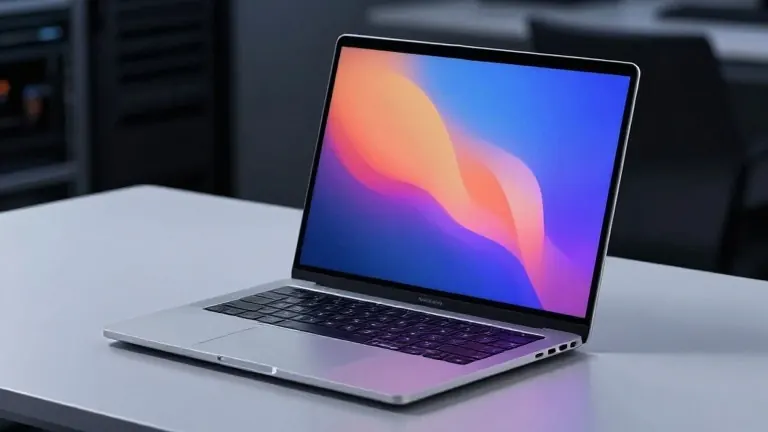
Apple has raised the entry price for its professional laptops while adding a feature the company previously rejected. The new MacBook Pro with ProLED XDR Display will begin sales on Nov. 6, with the 14-inch model costing $2,899 and the 16-inch version priced at $3,399 or more. These figures represent a notable increase over current models, placing the touch-enabled hardware in a higher price tier for consumers upgrading their desktop replacements.
The hardware shift breaks from a decades-long stance against touch input on Macs. CEO John Ternus confirmed the change during live remarks in Los Angeles, stating, "Yes, for the very first time, we are bringing touch to the Mac." The new laptops utilize OLED displays that Apple claims provide increased brightness, improved color accuracy, and wider viewing angles. They are powered by M5 Pro or Max chips and run macOS, not the operating system used on iPhones or iPads. Apple also introduced a glowing Apple logo on the lid for this model.
This release is the third major product launch under Ternus' leadership. The company recently introduced iMac and MacBook Pro models equipped with M6 chips following price hikes of several hundred dollars in June. On Monday, Apple released a new iPad Mini at a starting price of $699, which is $100 higher than the previous version. In September, the company unveiled new iPhones, including the first foldable device, the iPhone Duo, and a smart speaker with a display named HomeView that features a redesigned Siri assistant.
The timing of the launch coincides with a downturn in the personal computer market. Analysts project that global laptop shipments will decline by 11% this year due to an AI-driven memory shortage that has increased component costs. Market researcher IDC reported that total PC shipments fell 20% year over year in the third quarter, with Apple's own shipments decreasing by 11%. Former CEO Tim Cook described summer memory pricing as "unsustainable," a factor contributing to price increases across the Mac lineup. For example, Mac Mini models introduced in August saw a $300 price hike.
Despite lower revenue contribution compared to the iPhone, the Mac remains central to Apple's software ecosystem. Mac sales generated $10.35 billion in the most recent quarter, accounting for just under 10% of company revenue. The Mac is the only supported platform for developing iPhone apps. Apple has promoted its chip architecture as suitable for running AI locally on devices. Meta's AI team purchased hundreds of Mac Minis this year to test agents, and Apple and Meta announced earlier this month that frontier models can run on clusters of Macs connected by high-speed cabling.
Industry analysts suggest the move is driven by software readiness rather than hardware necessity. Ryan Reith, IDC vice president for worldwide device trackers, noted that touchscreens have been available on Windows laptops for years without driving major purchase decisions. IDC data indicates that only 17% of global notebook shipments this year include touchscreens, and these models sell at a slightly lower average price than non-touch equivalents. Reith stated that Apple likely waited until it could deliver a polished user experience, describing the change as a software initiative that may attract developers.
Ternus has been involved in Mac hardware development since joining Apple and was credited with leading the transition from Intel chips to Apple silicon alongside Johny Srouji. In 2021, while serving as senior VP of hardware engineering, Ternus told The Wall Street Journal that the Mac was optimized for indirect input and that the company saw no reason to change that approach. Software chief Craig Federighi explained in 2018 that touch ergonomics on a laptop could fatigue users.
Source: CNBC
More Business · National news · Consumer Alerts · Report a business · Got a Story?