US Oil Giants Post $130 Billion Windfall as Iranian War Drives Up Consumer Costs
While American households pay over $1,000 more for fuel, major energy firms see record-breaking quarterly gains.
By Aisha Khan ·
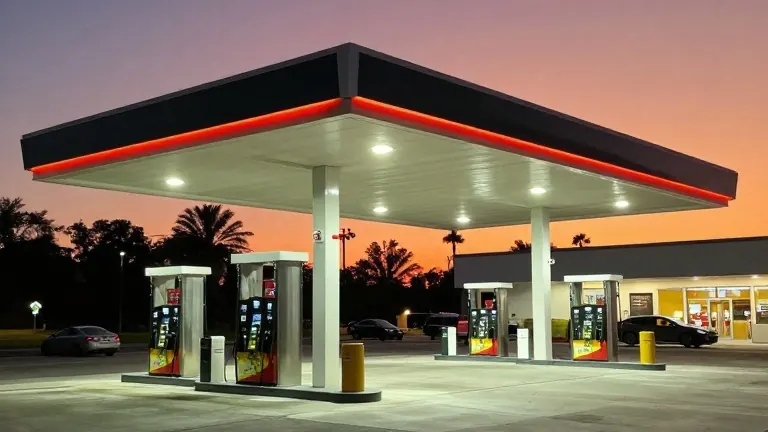
Major US oil and gas companies have generated over $130 billion in profits since the start of the war with Iran in April. This financial surge coincides with rising costs for American consumers, who have spent an estimated $150 billion on petrol and diesel since the conflict began on February 28.
The figures come from an analysis of 51 large US energy firms released by The New York Times. The report covers the six-month period from April through September 2026. In the same period last year, before the US-Israel war on Iran, these companies collectively earned less than $47 billion. The profit jump reflects higher crude prices and tight fuel supplies.
ExxonMobil and Chevron, the two largest US oil producers, reported profits between $10 billion and $15 billion on Friday. Although these numbers are high, they remain below the levels seen in 2022. That year, Russian invasion of Ukraine pushed oil prices to roughly $100 per barrel. Current average prices from April to September have hovered near $90.
Refining companies have seen even sharper increases in earnings due to damaged infrastructure in the Middle East and Russia. Valero Energy’s third-quarter profit grew more than sixfold to reach $6.83 billion. Phillips 66 announced its highest quarterly profit on record, with net income jumping to $5.62 billion from $133 million in the same period a year earlier.
Naser al-Tamimi, a fellow at the Institute for International Political Studies in Milan, noted that US energy firms benefit from higher crude prices and exceptional refining margins. He explained that damage to foreign refineries and disrupted shipments through the Strait of Hormuz have intensified global shortages. US facilities remain relatively secure, allowing them to access discounted crude and capture the difference.
The war has created a complex supply chain crisis. Iran retaliated against US and Israeli attacks by launching missiles and drones at Gulf Cooperation Council states. The Armed Conflict Location and Event Data project recorded at least 172 attacks on nonmilitary infrastructure in the region. Iran also blocked most vessel passage through the Strait of Hormuz, prompting the US to impose a naval blockade on Iranian oil and gas exports.
Analysts warn that prices will remain volatile until a political settlement is reached. Oil prices dipped briefly after a June memorandum of understanding but soared again when talks collapsed. Recent fighting between Saudi Arabia and the Houthis has added pressure by threatening the Bab al-Mandeb strait, a key route for Saudi oil exports. Florentine Schmit, an energy strategist at Rabobank, said consumers will continue to feel price pressure next year unless governments intervene.
The World Bank Group expects commodity prices to rise 23 percent this year due to disrupted grain shipments and weather issues. The UN Food and Agriculture Organization reported that world food prices rose 1.5 percent in September. President Trump has blamed high fuel prices on Ukraine and urged President Volodymyr Zelenskyy to pause strikes on Russian refineries. He argued that a deal with Russia could lower diesel costs.
Source: Al Jazeera
More Business · Consumer Alerts · Report a business · Got a Story?