15 substations hit in Sudan as grid nears collapse
The Merowe Dam now supplies over 70% of the nation's power after a week of drone strikes targeted electrical infrastructure in army-held areas.
By Elena Vargas ·
Sudan's national power grid is on the brink of total failure.
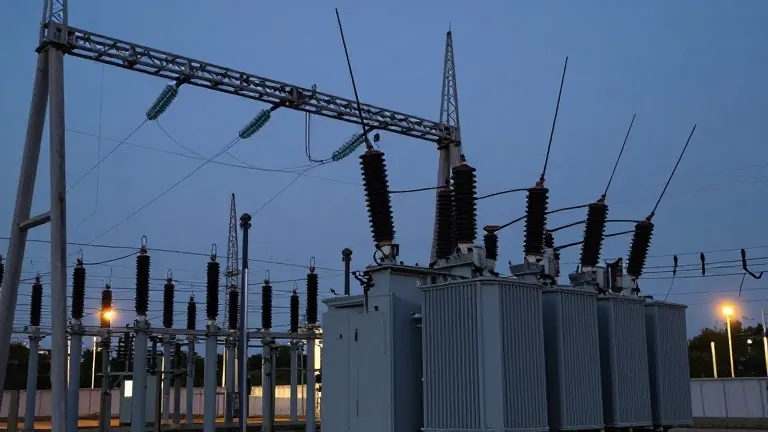
Fifteen power substations have been targeted by drone strikes since early October, according to Emergency Lawyers, a Sudanese rights group tracking the attacks. These strikes have left the country's electrical network dependent on a very small number of remaining plants.
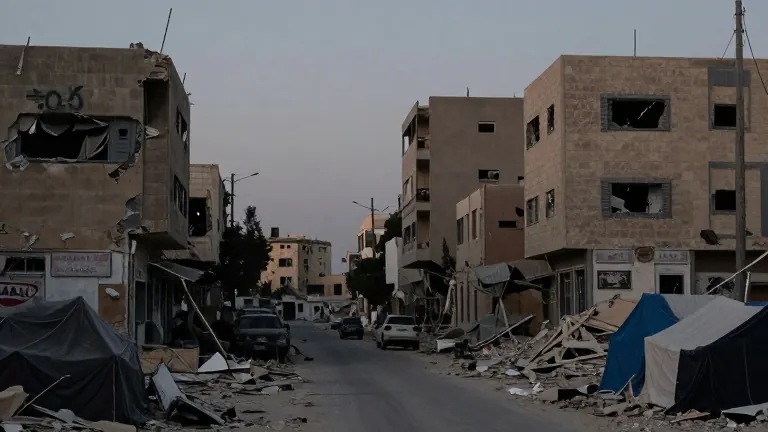
The most recent attacks occurred on Sunday, hitting facilities in the northern towns of Al-Dabbah and Abu Hamad. In Al-Dabbah, the substation was completely burned, killing its guard, Mohammed al-Nour. Residents woke to a loud explosion shortly after 4 a.m. The outage has shut down local markets, hospitals, and bakeries. Seif al-Rawasi, a baker in the city, said his generator is useless because the town has run out of diesel. "We don't know why the RSF is targeting citizens by destroying power stations," he said.
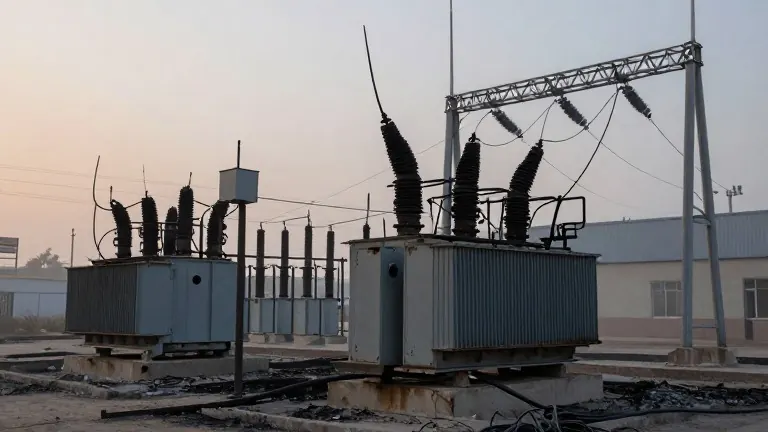
In Abu Hamad, a drone strike destroyed the substation and knocked it offline without causing casualties, according to the local security committee. Emergency Lawyers blamed the paramilitary Rapid Support Forces, or RSF, for the strikes in both towns. The attacks have disrupted water supplies and forced residents to rely on expensive alternatives, which is driving up local prices.
The wave of strikes began late Wednesday with an attack on the Um Dabakir thermal power station in White Nile state. This facility, the country's largest thermal plant with a capacity of 500 megawatts, lost four transformers and three generating units. The damage will affect White Nile and North Kordofan states for months, according to the regional network director. Early Friday, a drone carrying four missiles destroyed transformers at Shendi's main substation.
The Merowe Dam is now the last major source of electricity in Sudan. It has a capacity of 1,250 megawatts and provides more than 70% of the country's power, according to an employee at the Sudan Electric Holding Company. Other hydroelectric dams in the country produce no more than 100 megawatts combined. Before the war, national production was 4,400 megawatts. It has fallen to 1,100 megawatts even before the latest series of attacks.
Sudan's Foreign Ministry said Saturday that the drones used in the attacks were supplied by the United Arab Emirates and launched from Ethiopia. The UAE has repeatedly denied that it is arming the RSF. The RSF did not immediately respond to a request for comment. The ongoing war has killed at least 59,000 people and displaced some 13 million residents.
Source: Stamford Advocate