Data Center Health Fears Reshape Midterm Politics
New research on air pollution and noise is turning infrastructure projects into flashpoints for candidates in key states.
By Henry Wilson ·
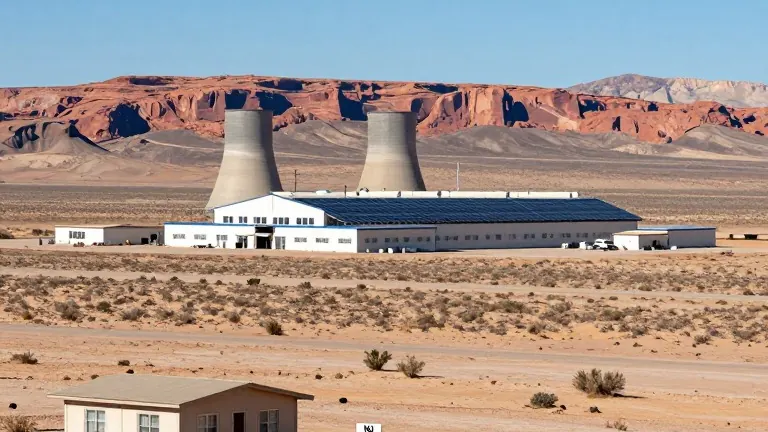
A proposed $10 billion data center near Page, Arizona, has become a local referendum on the health costs of digital infrastructure. Residents worry that the facility will introduce air pollutants, excessive noise, and heat into a community already grappling with environmental concerns. The project sits on 500 acres of land approved by the city council, though zoning approvals remain pending.
Political scientists say the issue is reshaping the 2026 midterm elections. In Arizona’s 1st Congressional District, candidates are clashing over the construction. Republican Jay Feely, who received an endorsement from President Donald Trump, argues the centers are necessary to compete with China. His Democratic opponent, Amish Shah, wants a pause on new projects in the district. The race is considered competitive and could influence the final balance of power in the U.S. House.
Emerging data supports the opposition. Researchers at the University of California, Riverside, model that data center emissions could cause nearly 1,300 deaths annually by 2030. They estimate the annual public health burden will exceed $20 billion by 2028. The study links pollution from backup gas generators to heart conditions, respiratory issues, and elevated cancer risks.
The political fallout is visible in other states as well. In Ohio, more than a dozen local referendums on data centers will appear on ballots this year. Former Senator Sherrod Brown is attacking incumbent Republican Senator Jon Husted over the issue. Brown’s ads label Husted the face of data centers. An internal memo from the National Republican Senatorial Committee described the issue as a major liability for Husted.
Industry leaders argue the facilities are managed responsibly. Dan Diorio, executive vice president of the Data Center Coalition, stated that existing regulations limit emissions. He noted that a review of Virginia, the largest market, found minimal use of backup power sources. However, a Washington Post, ABC News, and Ipsos poll from October found that two in three Americans oppose new construction.
In Page, local politics have already shifted. Residents voted out the city mayor in July following the council's land sale approval. The area is home to about 7,000 people. Opponents point to specific risks, including noise levels that can exceed 90 decibels and light pollution that may increase chronic disease risk. The developer has not yet chosen the exact location within the 500-acre parcel.
The distribution of new capacity adds fuel to the debate. Cleanview data shows that 60 percent of capacity under construction is in states President Trump won by five points or more. Excluding Virginia, 92 percent of that capacity is in states he carried. This concentration in rural, red-state areas has put some incumbents in vulnerable positions as voters weigh job creation against local health impacts.
Source: Cobb County Courier
More Business · Consumer Alerts · Report a business · Got a Story?