Midterm Spending: Record Breaks as Strategies Diverge
Republican committees outspent Democrats by a wide margin, focusing on Trump-winning districts, while individual Democratic candidates raised more funds.
By Aisha Khan ·

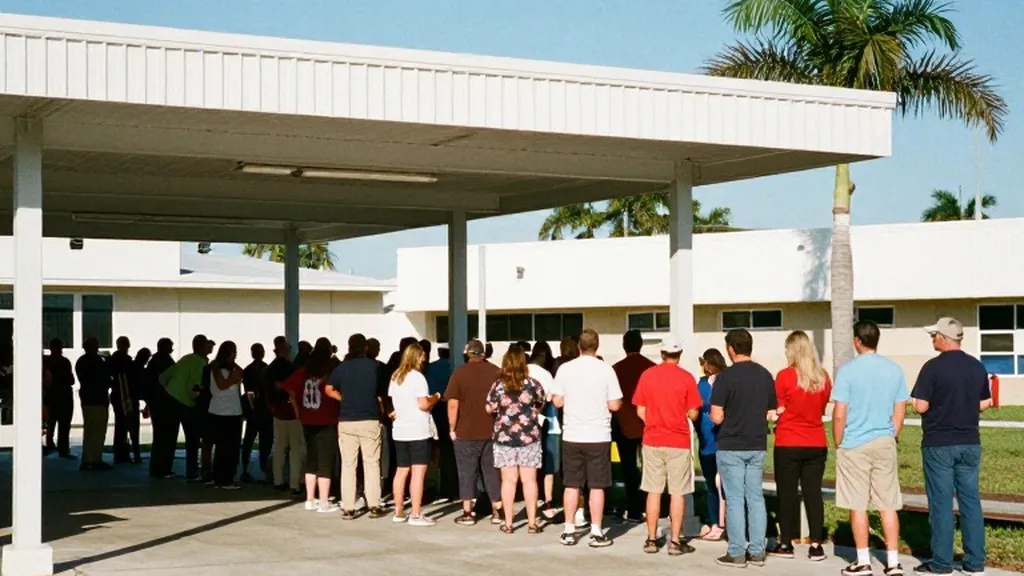
The 2026 midterm election is poised to become the most costly contest in American history as polls open across the country.
Financial data from the Associated Press indicates that total spending for this cycle exceeds all previous midterms. This surge in capital is driven by fierce competition in key battleground states and specific congressional districts. The volume of money deployed by both parties underscores a stark tactical divergence in how they are approaching the race for control of Congress.
At the committee level, Republican organizations hold a distinct financial advantage. They outraised and outspent their Democratic counterparts, a gap attributed largely to contributions from groups affiliated with President Donald Trump and major donors including Elon Musk. These funds enabled Republican committees to purchase a dominant share of television advertising in critical media markets.
The allocation of this advertising money reveals a highly targeted strategy. Analysis of AdImpact data shows that 88.1 percent of general election television ad spending by Republican committees went to states and districts where Donald Trump won the 2024 presidential election. In districts where his victory margin exceeded ten points, spending surpassed 850 million dollars. This approach aims to lock in support in areas of high presidential approval, even as his overall job approval remains low.
Democratic committees operate under a different financial structure. While they spent less at the committee level, Democratic candidates individually raised more money than their Republican opponents. This candidate-level edge provides a steady stream of funds for direct outreach and local advertising. The result is a dynamic where Republicans dominate the airwaves in large markets, while Democrats rely on the resilience of individual campaigns to sustain their efforts.
The financial disparity reflects the political mood heading into the vote. The Associated Press describes the election as a referendum on the president’s second term, with many voters frustrated over high prices and the war with Iran. Polling from the Associated Press and NORC indicates that 35 percent of U.S. adults approve of the president’s job performance. Conversely, about seven in ten Americans believe the country is heading in the wrong direction.
Party leaders emphasized turnout and public sentiment in their final messages. Republican National Committee Chairman Joe Gruters stated that everything depends on turnout, asserting that if they turn out their voters, they will win. Democratic Congressional Campaign Committee Chair Suzan DelBene noted that the American people are angry and want change, a sentiment driving the candidate-level fundraising efforts on her side.
Ballotpedia identified 46 House battleground districts, with 25 seats currently held by Democrats and 21 by Republicans. In the Senate, 13 races are considered competitive, with spending focused on states like Maine, Iowa, and Georgia. The 2026 cycle also involves 36 governorships, where Democrats are attempting to hold a majority for the first time in two decades. Strategic spending in states like Georgia, Nevada, and Ohio is crucial to this goal.
Voters in Florida and North Carolina expressed mixed views on the president’s performance. Mark Barker, a voter in Palm Beach Gardens, said he believes the president is doing an awesome job. James Moore, a librarian in Raleigh, North Carolina, pointed to rising costs in taxes, healthcare, and general goods as reasons for his discontent. These personal economic experiences are being weighed against the heavy financial efforts of the campaigns.
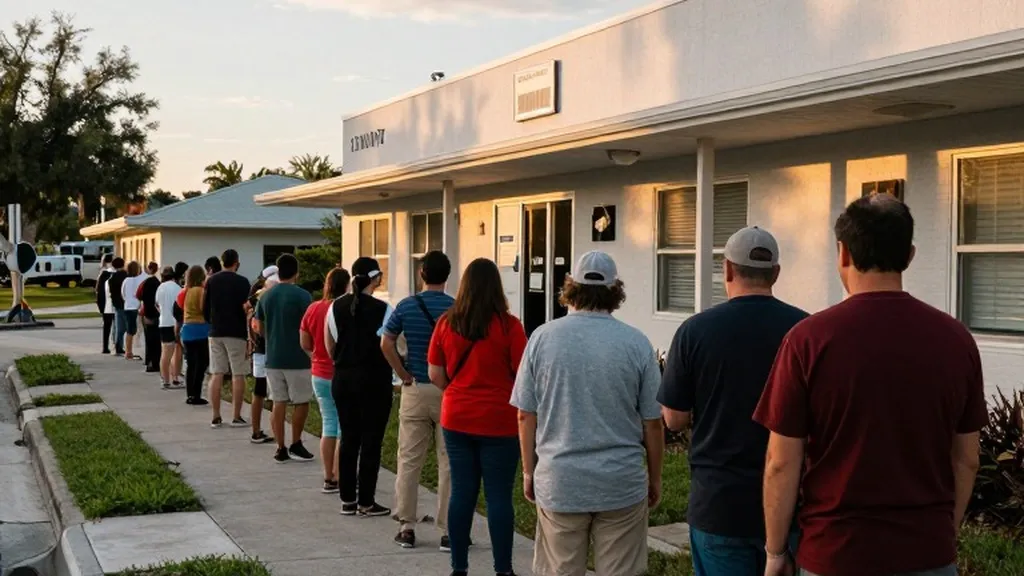
More than 57 million people have already cast their ballots. The Associated Press notes that one or two seats could tip the balance in either chamber, making the efficient use of every dollar critical. The final results will determine which party controls the legislative agenda for the final two years of the current administration.
Source: Associated Press, Reuters, Ballotpedia
More Politics · National news · Report a business · Got a Story?