
Netanyahu's bloc falls short of majority as Arab parties record historic vote
With 53 seats, the prime minister's alliance lacks the 61 needed to rule, forcing a complex negotiation with opposition and Arab-led parties before a new Knesset convenes.
By Henry Wilson ·
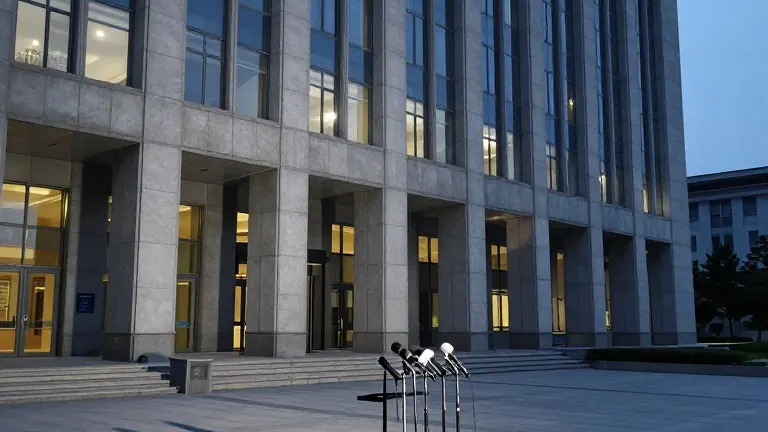
Israel's final election results released early Friday confirmed that Prime Minister Benjamin Netanyahu’s bloc fell short of a parliamentary majority. The tally stands at 53 seats in the 120-seat Knesset, leaving the governing alliance seven seats short of the 61 required to form a stable government. The main opposition bloc won 48 seats, while Arab-led parties secured the remaining 19 seats, marking a historic increase in their representation.
The path forward requires parties to negotiate and form a coalition that reaches the threshold of 61 seats. Netanyahu, who remains the longest-serving prime minister in Israeli history, retains his position for now. The next step involves the certification of results and their submission to President Isaac Herzog by next Wednesday. Herzog will then task a designated leader with forming a new government. That mandate could go to Netanyahu, as the leader of the party with the most votes, or to another figure if party leaders believe someone else is better suited to bridge the political divide.
Tensions rose in the hours before the final counts were published. Netanyahu and his Likud party amplified claims that Arab-led parties had stolen the election, potentially with foreign assistance. The opposition criticized these moves as an effort to demonize the Arab population, which constitutes 20% of the country's residents. Many Arab voters participated in high numbers, driven by outrage over Netanyahu’s far-right allies, including National Security Minister Itamar Ben-Gvir, whose party lost seats in the vote.
In his first public comment on Friday, Netanyahu stated on social media that forming a coalition with Arab parties is forbidden. He suggested it would be treasonous for his chief rival, Gadi Eisenkot, to join forces with them. The head of the election committee, Supreme Court Justice Noam Sohlberg, told the Shin Bet security agency that he could not verify the allegations of foreign interference but requested an investigation. Israeli media reported that members of Netanyahu’s party pointed to Qatar, a nation viewed by many Israelis as a patron of Hamas. Qatar denied the accusations, calling them ridiculous and dangerous.
The election commission clarified that the investigation was based on classified intelligence but did not affect the final results. Acting director general Dean Livne warned that reports about the investigation were entirely unfounded. The Shin Bet stated its inquiry was not intended to cast aspersions on the population that exercised its right to vote. The committee expects the security agency's findings within one week and told a member of parliament that allegations of systematic violations of electoral integrity are baseless.
The new Knesset is expected to be sworn in on November 10. Before a formal government is established, Eisenkot’s bloc could join with Arab parties to elect a new Knesset speaker. This move would grant them control over the parliamentary agenda and the ability to advance legislation. If coalition attempts fail, Israel faces a new election early next year. Herzog has stated he will do everything in his power to avoid that outcome. Netanyahu has indicated that if he loses office, he faces accountability for years of corruption allegations and a likely inquiry into security failures leading up to the Hamas-led attack on October 7, 2023.
Source: WDIV ClickOnDetroit