Florida voters weigh economy and oversight in 2026 midterms
Tampa and Pinellas Park residents decide the governor's race and House seats while national results shape the final two years of the Trump administration.
By Tyler Anderson ·
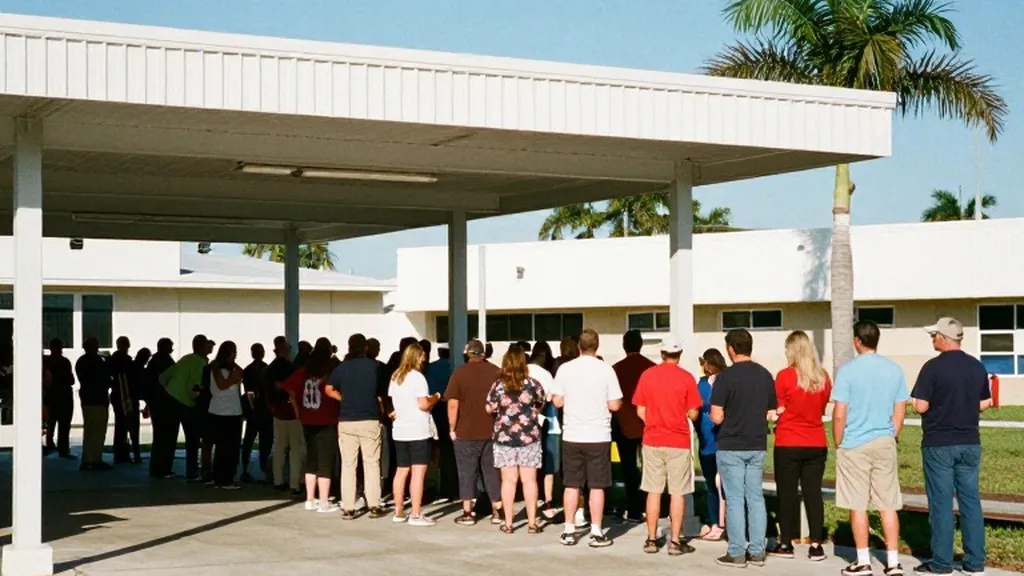
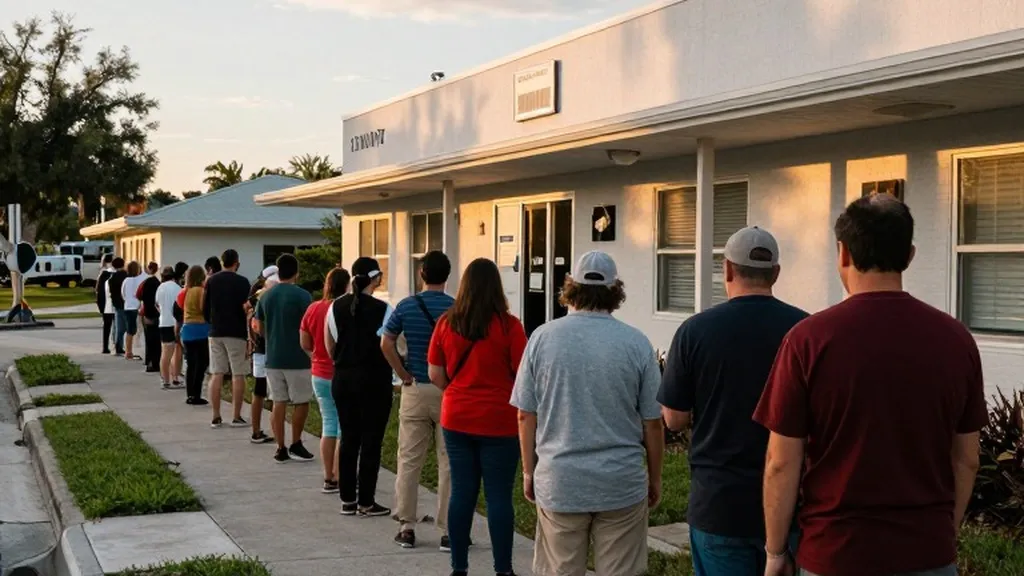
Polls in Hillsborough and Pinellas counties open at 7 a.m. and close at 7 p.m. on Tuesday, November 3, 2026. Florida is divided between the Eastern and Central time zones, so residents in Tampa and St. Petersburg are voting in the Eastern zone. Voters in Pinellas Park are also casting ballots under the same time window. According to Ballotpedia, there is no regular U.S. Senate election in Florida this year. However, a special election is on the ballot to fill the rest of the six-year term that Senator Marco Rubio won in 2022. The Republican incumbent in that special race is Ashley B. Moody. The Associated Press notes that the outcome of this special seat is one of 35 total Senate contests occurring nationwide.
The governor's race is a major focus for state voters, as the office is up for an open seat with no incumbent running. Ballotpedia lists the Democratic, Libertarian, No Party Affiliation, and Republican parties on the ballot. Every U.S. House seat in the state is also on the ballot, alongside state and local offices. The AP describes the 2026 election as a referendum on President Donald Trump's second term, with voters struggling with high prices and anger over an unpopular war with Iran. In Tampa, St. Petersburg, and Pinellas Park, the economic climate is a central theme for many voters who feel the strain of rising costs.
Nationally, the midterm election decides who controls Congress for the president's final two years. All 435 U.S. House seats are up for grabs. Republicans currently hold 218 seats, while Democrats hold 214. According to Ballotpedia, Democrats need a net gain of three districts to secure a majority. Republicans can afford to lose no more than two seats to keep their control. In the Senate, 35 seats are being decided. Republicans hold 53 seats, and Democrats hold 45, plus two independents who caucus with the Democrats. Democrats need a net gain of four seats to take the majority, a hurdle that requires winning several competitive states.
The Associated Press reports that 35 percent of U.S. adults approve of Trump's job performance, while 25 percent approve of his handling of the economy. About seven in 10 Americans say the country is heading in the wrong direction. This sentiment is driving the high stakes of the election. If Democrats win even one chamber of Congress, investigations and possible impeachment proceedings become likely. House Democratic Leader Hakeem Jeffries has outlined a 100-day agenda focused on the cost of living and oversight if his party takes control. This potential shift in power is a key driver for voters in Florida who are looking for accountability in the latter half of the term.
Economic strain and tariffs have made several states competitive, according to the AP. In Florida, the new congressional map created by mid-decade redistricting is in effect. This is one of six states using new maps, along with California, Missouri, North Carolina, Tennessee, and Texas. The AP notes that new districts in Florida may not vote as they were drawn, adding uncertainty to the race for House control. For Tampa and St. Petersburg residents, the local implications of these federal shifts include potential changes in federal funding and legislative priorities that affect the local economy.
The Associated Press notes that more than 57 million people had already voted as of Monday, surpassing the early vote of four years ago in many closely watched states. This high level of pre-election voting suggests a strong engagement with the issues at hand. In the national picture, Republicans are bracing to lose the House while fighting to hold the Senate. The AP says one or two seats could tip either chamber. Democrats are described as cautiously optimistic, pointing to the president's low approval ratings on economic issues.
The 2026 elections are likely to be the most expensive in history, according to the AP. Republican committees have outraised and outspent Democratic committees, helped by Trump-affiliated groups and Elon Musk. However, at the candidate level, Democrats have outraised their opponents. The AP analysis of AdImpact data shows that 88.1 percent of Republican general election TV ad spending went to states and districts Trump won in 2024. This includes more than $850 million in spending where he won by 10 points or more, a strategy that may not yield the same results in the current political climate.
Voters in Florida are also considering statewide ballot measures that impact the state's budget and taxes. Ballotpedia lists Amendment 1, which would increase the amount of funds retained in the budget stabilization fund. Amendment 2 seeks to exempt agricultural-related tangible personal property from property taxes. Amendment 3 involves changes to homestead tax exemptions and property tax caps. These measures are part of the broader state and local elections occurring simultaneously with the federal races. The results of these votes will directly affect the financial landscape for businesses and homeowners in Tampa and the surrounding areas.
The AP notes that Trump has continued to make claims about voting fraud, including that noncitizens vote in large numbers. His administration has sued in Alaska and California, and Democrats fear interference and intimidation as the Justice Department threatens to prosecute local election officials. A federal judge on Monday temporarily barred the Trump administration from carrying out a plan it says would prevent noncitizen voting. This legal battle adds a layer of complexity to the election administration, which is being closely watched by both parties and the public.
Wall Street is also watching the results for their impact on investor concerns about AI spending and debt ceiling negotiations, according to Reuters. The outcome of the midterm election will shape the legislative agenda for the next two years, with oversight and economic policy at the forefront. For residents of Tampa, St. Petersburg, and Pinellas Park, the decisions made in Washington will have tangible effects on their daily lives, from the price of goods to the stability of local industries.