Netanyahu and Eisenkot Stuck in Knesset Deadlock After Record Arab Turnout
Neither leader has the 61 seats required for a majority, and both have publicly resisted allying with the Arab parties that now hold decisive leverage.
By Elena Vargas ·
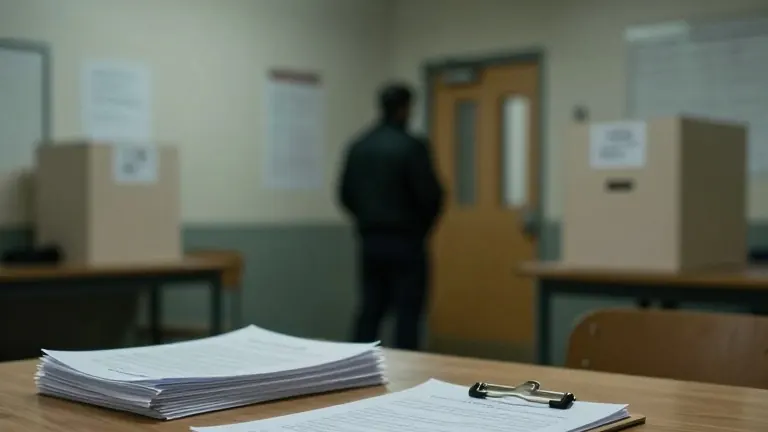
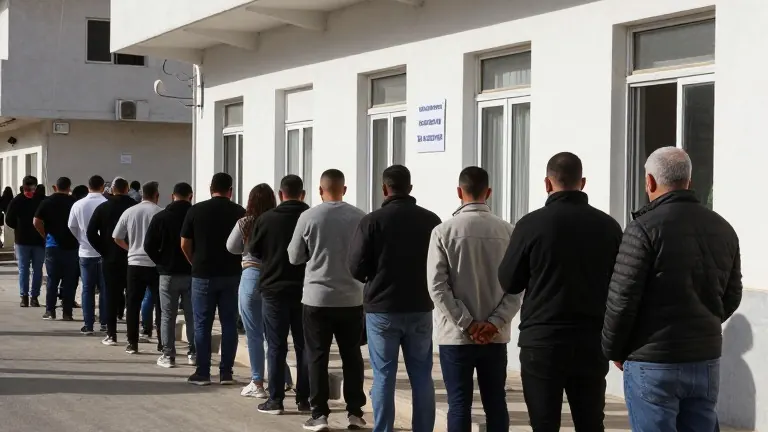
Israeli voters cast ballots on October 27 in the highest turnout recorded for the country’s general elections, leaving Prime Minister Benjamin Netanyahu and challenger Gadi Eisenkot without a clear path to power. Both leaders remain short of the 61 seats needed for a majority in the 120-seat Knesset, forcing them to rely on the Arab bloc to form a government.
Arab voter participation reached 80 percent, a surge that has increased the parliamentary weight of the Joint List and the United Arab List. The Joint List is led by Yousef Jabareen, while Mansour Abbas leads Ra’am. Jabareen stated that his party will join any coalition that offers a "genuine alternative to Netanyahu’s government of bloodshed." Abbas rejected the idea that Arab parties must label Hamas a terror organization to be considered loyal, telling Israeli media that his party has condemned the attacks of October 7, 2023.
Netanyahu, who leads a right-wing coalition including ultra-religious parties and settler groups, has rejected the need for Arab support. He declared that he must form a "strong right-wing national government" and claimed leadership of the "Zionist public." His current cabinet includes National Security Minister Itamar Ben-Gvir, who was convicted of incitement to racism and advocated for harsher treatment of Palestinian prisoners during the campaign.
Eisenkot, the leader of the Yashar party and a former military chief, has also hesitated to formalize an alliance with the Arab parties. His coalition partners Naftali Bennett and Avigdor Liberman have flatly rejected such a move. Eisenkot’s supporters blame Netanyahu for the October 7, 2023 attack, in which approximately 1,200 Israelis were killed and 251 were taken hostage. Eisenkot has promised to establish a commission to investigate security failures leading up to that day.
Political analyst Dhalia Scheindlin described the opposition’s reluctance to include Arab parties as an "arbitrary, and, frankly, racist constraint." She noted that Arab lawmakers were part of Bennett’s government in 2021, but the political climate shifted after the October 7 attacks. Netanyahu’s campaign included social media warnings that Arab voters would "steal the election," a move that analysts said encouraged higher turnout.
Netanyahu is currently on trial for corruption, with charges of bribery, fraud, and breach of trust. He has used his position to delay hearings and seek a presidential pardon. If no leader can form a majority, President Isaac Herzog will ask the candidate with the best chance to govern. Analyst Amit Segal said Netanyahu "suffered a major blow" and that the best outcome for him would be to salvage a tie with Eisenkot or face a new election.
The Knesset has never had a single party win a majority since 1948. Netanyahu, Israel’s longest-serving prime minister, has navigated similar deadlocks over 19 years in office. The current stalemate may lead to months of negotiations or a repeat election if the taboo against a Jewish-Arab coalition persists.
Source: CBC News