EU chief cites deadliest months
Kaja Kallas argues that Russian actions contradict their diplomatic words at the G20 meeting in Atlanta.
By Tyler Anderson ·
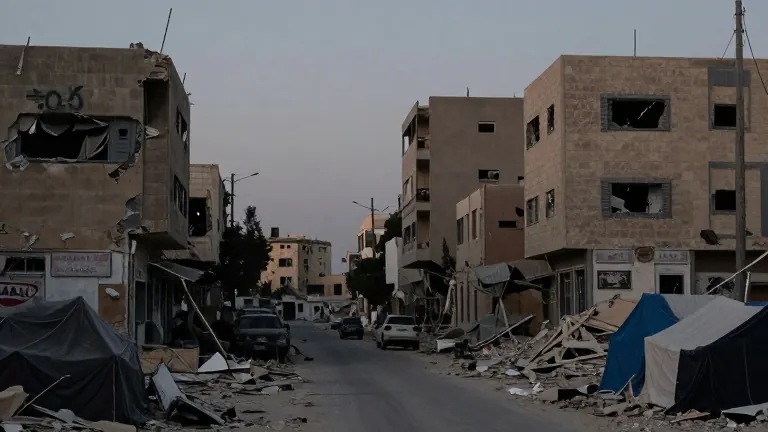
Three consecutive months in late summer represented the deadliest period for civilians in Ukraine, according to Kaja Kallas, the EU High Representative for Foreign Affairs and Security Policy. She cited the figures for July, August, and September to illustrate the trajectory of the conflict while evaluating the diplomatic performance of Russian Foreign Minister Sergei Lavrov.
Lavrov arrived in the United States on October 30 to attend the G20 foreign ministers' meeting. Kallas stated that his stance during the session offered no clear indication that Moscow is prepared to engage in peace negotiations. When asked if Lavrov signaled a willingness to make concessions to end the war, Kallas answered directly that he had not.
The EU diplomat argued that Russian officials must prove their intent through actions rather than statements. She noted that even if Russian representatives claimed otherwise, their behavior on the ground would tell a different story. Kallas emphasized the need for Russia to demonstrate a tangible readiness to negotiate.
Kallas criticized the content of Lavrov's remarks at the G20 gathering. She described his presentation as containing a substantial amount of false information. "Of course, he put forward a lot of lies and many false claims, which we were also able to refute afterwards," Kallas said. Her team subsequently worked to counter these assertions during the meeting.
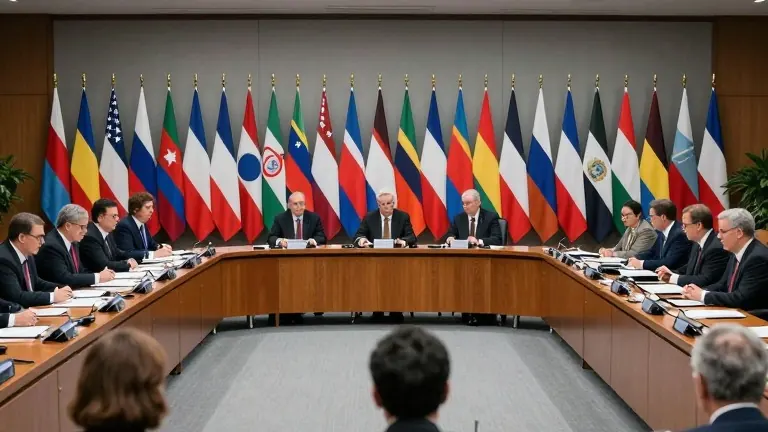
A traditional group photo of all ministers was absent from the event in Atlanta. Several European diplomats refused to pose with Lavrov, prompting the United States to cancel the joint image. Kallas explained the absence by stating, "We must not normalise war crimes around this table." Polish Foreign Minister Radosław Sikorski also attended, where he expressed a desire to convey a direct message to Lavrov urging an end to the war.
Kallas called for sustained pressure on Russia, with a specific focus on securing a ceasefire in the Black Sea. The diplomatic friction in Atlanta occurs while Washington maintains an invitation for Russian President Vladimir Putin to attend the December G20 summit in Miami. That summit offers a potential venue for a meeting between Putin and US President Donald Trump.
Source: Ukrainska Pravda