Tampa voters face pivotal House and governor races amid national fight
As polls open at 7 a.m. in the Eastern and Central zones, Tampa residents cast ballots in a midterm contest where a three-seat margin determines congressional control.
By Aisha Khan ·
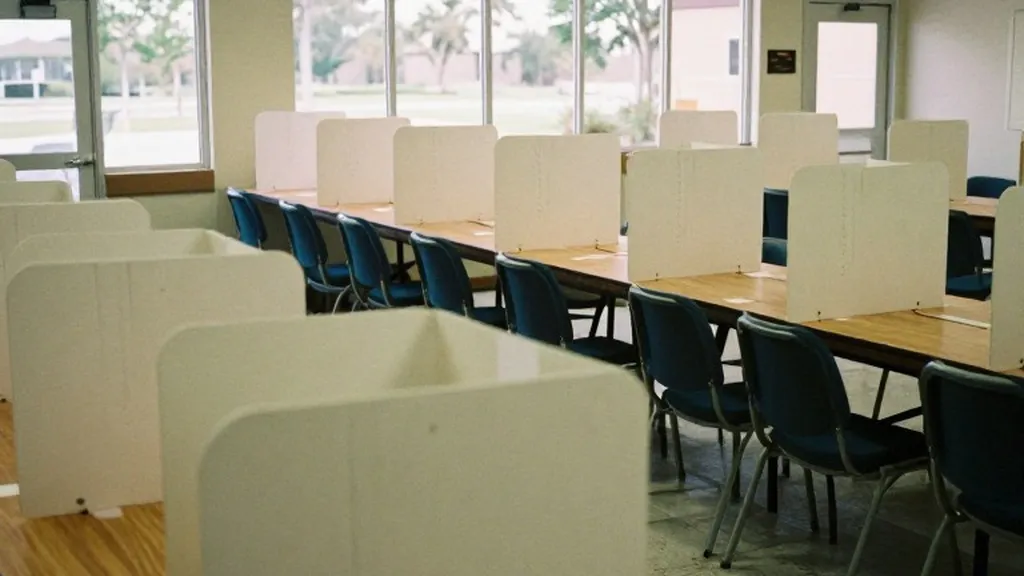
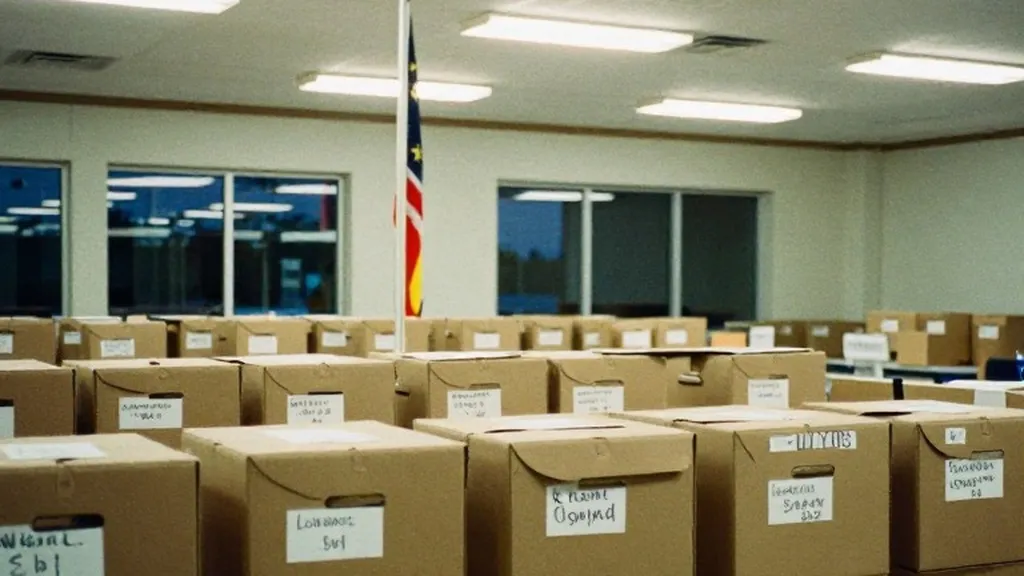
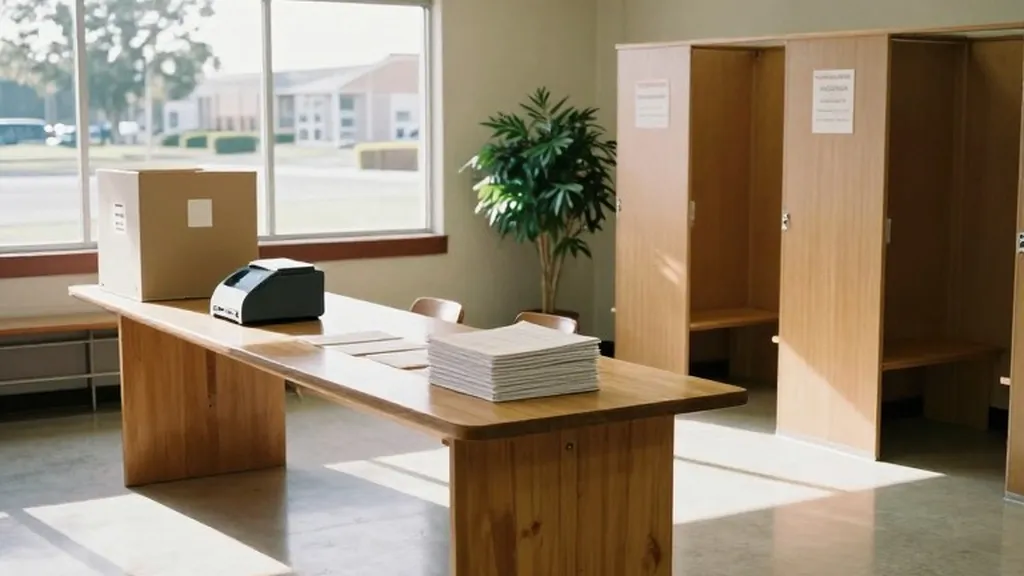
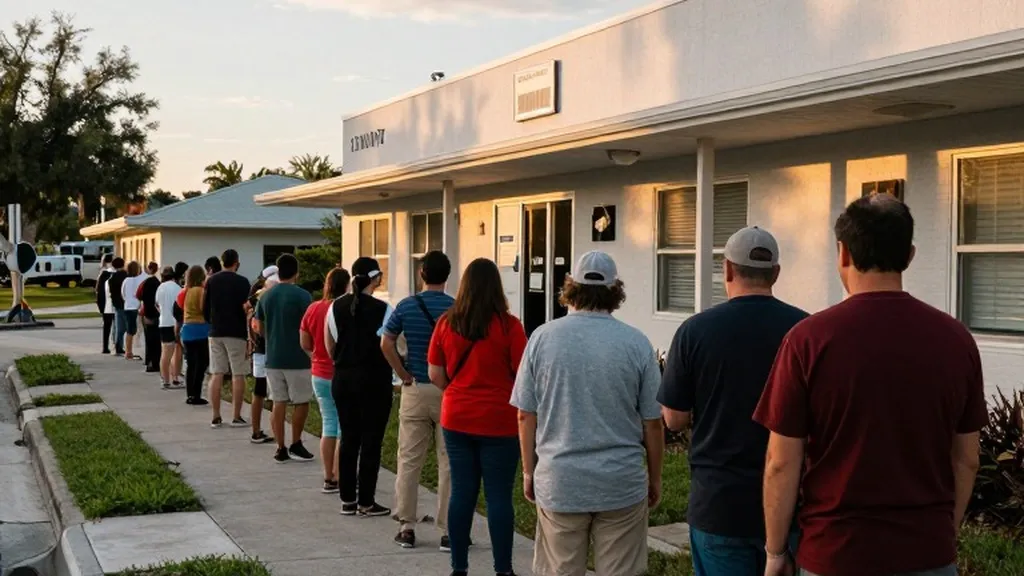
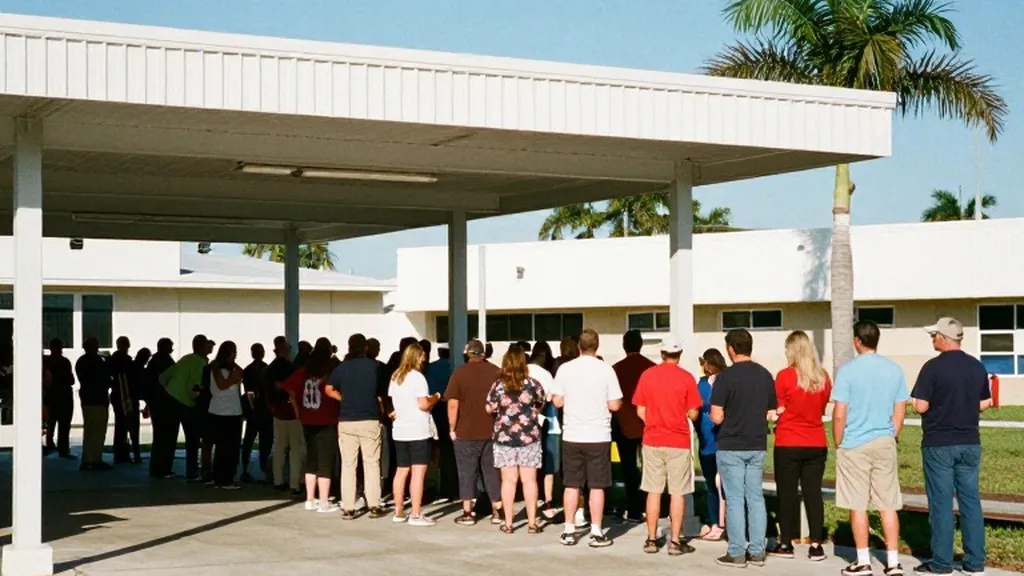
Polls opened at 7 a.m. on Tuesday, November 3, 2026, across the Tampa Bay area, with voting continuing until 7 p.m. local time. Florida is divided between the Eastern and Central time zones, so residents in St. Petersburg and Pinellas Park in the Eastern zone finish voting an hour before those in parts of the Central zone. According to Ballotpedia, every U.S. House seat in the state is on the ballot, along with the governorship and various state and local offices. Voters in Tampa, St. Petersburg, and Pinellas Park are deciding the state's delegation for the next two years, a process that contributes to the national calculation of which party controls the U.S. House.
The national stakes for the U.S. House are defined by a narrow margin. Republicans currently hold 218 seats, while Democrats hold 214, with one independent and some vacancies. To secure a majority in the final two years of President Donald Trump's second term, Democrats need a net gain of three districts. Conversely, Republicans can afford to lose no more than two seats. This three-seat margin is the central arithmetic of the day, with 46 battleground districts identified by Ballotpedia. In these competitive areas, voters are weighing their choices for the House against the backdrop of a midterm election that serves as a referendum on the current administration.
Florida adds a layer of complexity due to new congressional maps resulting from mid-decade redistricting. The state is one of six using new maps, alongside California, Missouri, North Carolina, Tennessee, and Texas. These new districts may not vote as historically drawn, according to analysis by the Associated Press. In the state, the governorship is also on the ballot as an open seat with no incumbent running. The parties on the ballot for this race include the Democratic, Libertarian, No Party Affiliation, and Republican parties. The outcome of this race, along with the House results, will shape the state's political landscape for the remainder of the term.
Voters across the country are grappling with high prices and an unpopular war with Iran, according to the Associated Press. AP-NORC polling indicates that 35 percent of U.S. adults approve of President Trump's job performance, while 25 percent approve of his handling of the economy. About seven in ten adults say the country is heading in the wrong direction. Most blame the president for high prices. This mood is driving turnout, with more than 57 million people having already voted as of Monday, surpassing the early vote totals from four years ago in many closely watched states. The Associated Press notes that Republicans are bracing to lose the House while fighting to hold the Senate, with Democrats described as cautiously optimistic.
The Associated Press reports that one or two seats could tip either chamber, making the three-seat margin in the House particularly sensitive to turnout. Republican National Committee Chairman Joe Gruters stated that everything depends on turnout, emphasizing that if Republicans turn out their voters, they win. In contrast, Democratic Congressional Campaign Committee Chair Rep. Suzan DelBene said the American people are angry and want change. In Tampa, voters like Mark Barker of Palm Beach Gardens, who is following Trump closely, believe he is doing an awesome job. Meanwhile, voters in other regions cite rising costs for taxes, healthcare, and general goods as primary concerns.
Election administration issues have dominated the news cycle in the days leading up to Tuesday. A federal judge temporarily barred the Trump administration from carrying out a plan it says would prevent noncitizen voting, a move critics say risks disenfranchising eligible voters. Another judge ordered the administration to stop demanding that California election officials segregate ballots cast by people on its lists of suspected noncitizens. The U.S. Postal Service added hours, staff, and special lines to ensure mail ballots are counted on time. These legal and logistical developments have heightened scrutiny on the voting process, with Democrats fearing interference and intimidation as the Justice Department threatens to prosecute local election officials.
Money is playing a significant role in the 2026 elections, which are likely to be the most expensive in history. Republican committees outraised and outspent Democratic committees, helped by Trump-affiliated groups and Elon Musk. However, at the candidate level, Democrats outraised their opponents. An analysis by the Associated Press of AdImpact data shows that 88.1 percent of Republican general election TV ad spending went to states and districts Trump won in 2024. This includes more than $850 million spent in areas where he won by 10 points or more. The heavy investment in safe Republican seats contrasts with the strategic focus on the 46 battleground districts where the three-seat margin will be decided.
President Trump held dozens of rallies in the final days of the campaign, ending Sunday in Salina, Kansas, where he urged voters to pretend he was on the ballot. His schedule included stops in Mississippi, South Carolina, and Texas. Many Republican candidates kept their distance from the president during this final stretch. The president has continued to make claims about voting fraud, including that noncitizens vote in large numbers. His administration filed lawsuits in Alaska and California related to the certification of results and voting procedures. These actions have added a layer of tension to the election day proceedings, with both parties closely monitoring the legal landscape as polls open.
Voters in Tampa and across Florida are casting ballots in a state that uses new congressional maps, a factor that could alter the traditional voting patterns in certain districts. The Associated Press notes that new districts in Florida and elsewhere may not vote as drawn, adding uncertainty to the national count. As polls close at 7 p.m. in the Eastern zone, the focus turns to the 46 battleground districts where the three-seat margin will be determined. The results of these races will decide who controls Congress for the final two years of the current term, with implications for investigations, oversight, and the potential for impeachment proceedings if Democrats win even one chamber.